Luka Primary School crest Luka Primary
  1. Home
  2. Academics
Academics

A CAPS-aligned curriculum, taught honestly.

We teach the official Curriculum and Assessment Policy Statement — nothing more, nothing less — with extra time given to reading, mother-tongue grounding and hands-on project work.

Six learning areas, Grade 1 to Grade 6

What your child will learn here.

Each subject is owned by a Head of Phase or Subject who plans the term’s work, moderates assessments and meets parents to discuss progress.

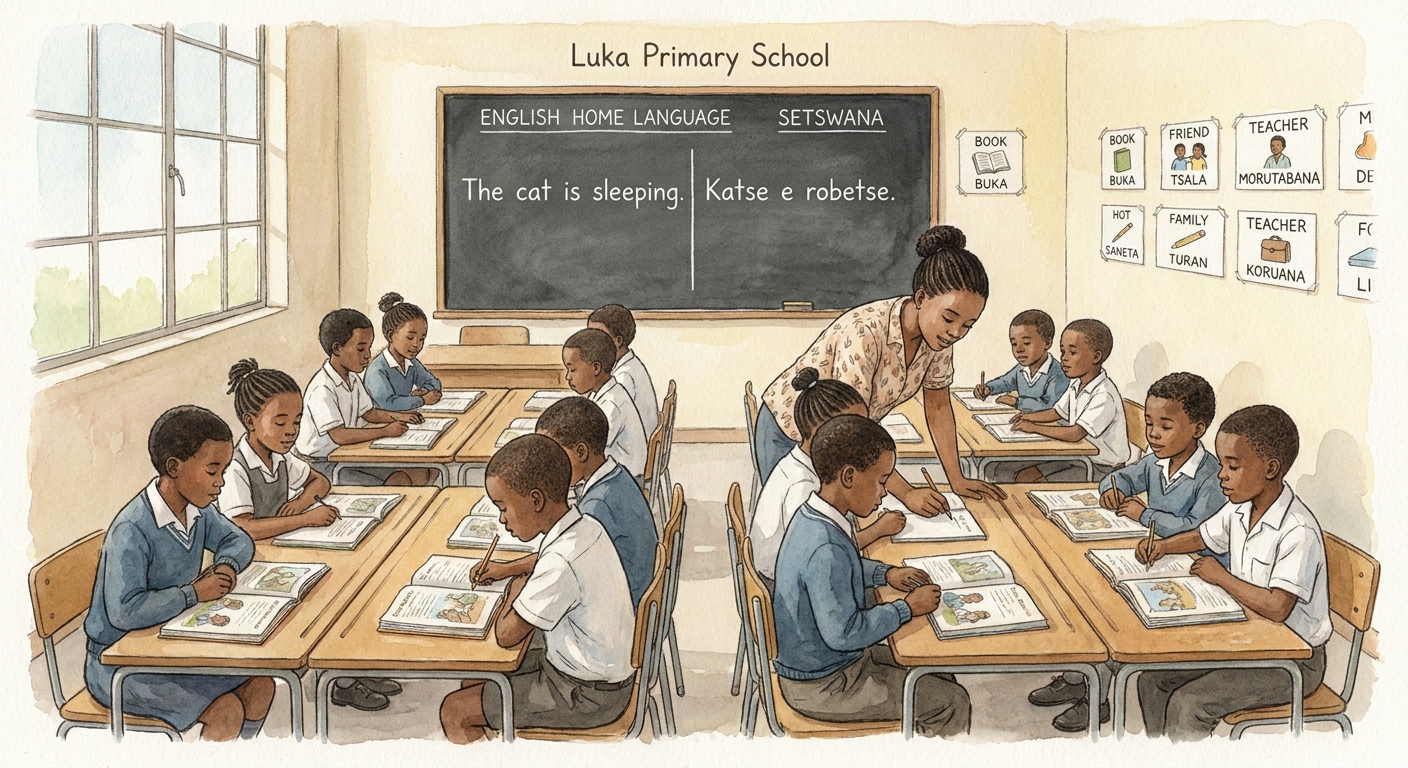
A languages lesson covering English and Setswana
Learning Area 01

Languages

English Home Language & Setswana — reading, writing and speaking with confidence in two tongues.
Pedagogy
Daily 20-minute guided reading; phonics in Foundation Phase; story-based comprehension from Grade 4.
Signature project
Bilingual Story Booklet — every Grade 5 child writes one Setswana folktale and one English short story.
Assessment
Continuous classroom assessment, plus DBE end-of-year benchmark tests for reading fluency.
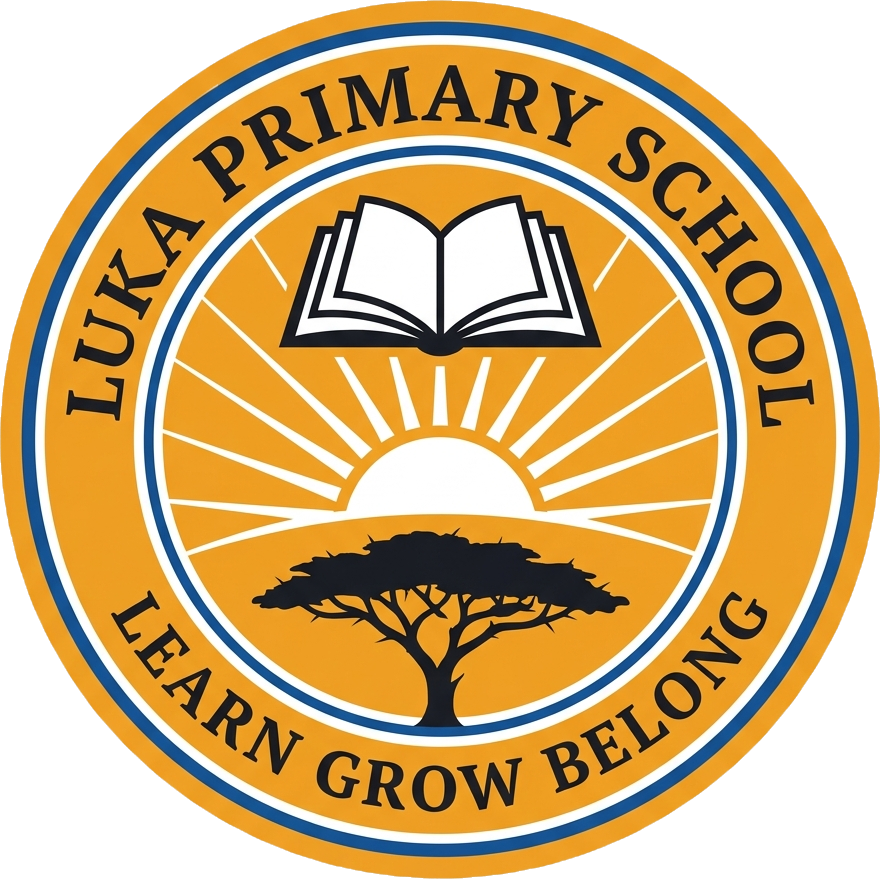
Children solving multiplication problems at the chalkboard
Learning Area 02

Mathematics

From counting and number sense to early algebra — with a strong focus on mental maths every morning.
Pedagogy
Concrete-pictorial-abstract sequencing; daily 10-minute mental maths warm-up; small-group remediation on Tuesdays.
Signature project
Tuck-Shop Maths — Grade 6 learners run the Friday tuck shop and balance the float.
Assessment
Termly written tests + observation rubrics; participation in the Bojanala District Maths Olympiad from Grade 4.
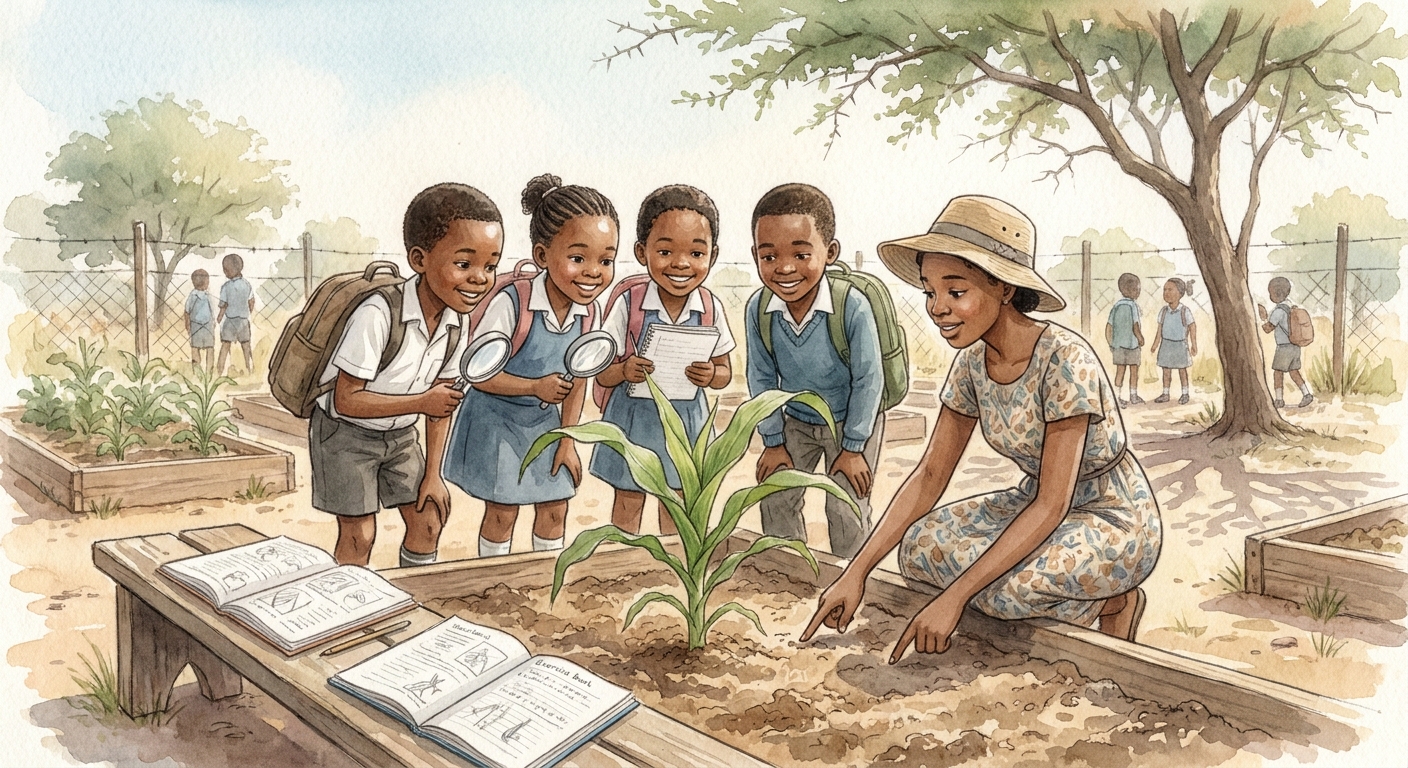
Pupils examining maize plants in the school garden
Learning Area 03

Natural Sciences

Inquiry into the living and physical world — using the school garden, the borehole and the veld as our laboratory.
Pedagogy
Inquiry-based; one outdoor lesson per fortnight; weekly observation journal kept by every learner from Grade 4.
Signature project
Veld to Plate — Grade 5 trace one vegetable from seed to NSNP kitchen pot.
Assessment
Practical investigation rubric (CAPS) plus a written end-of-term test from Grade 4.
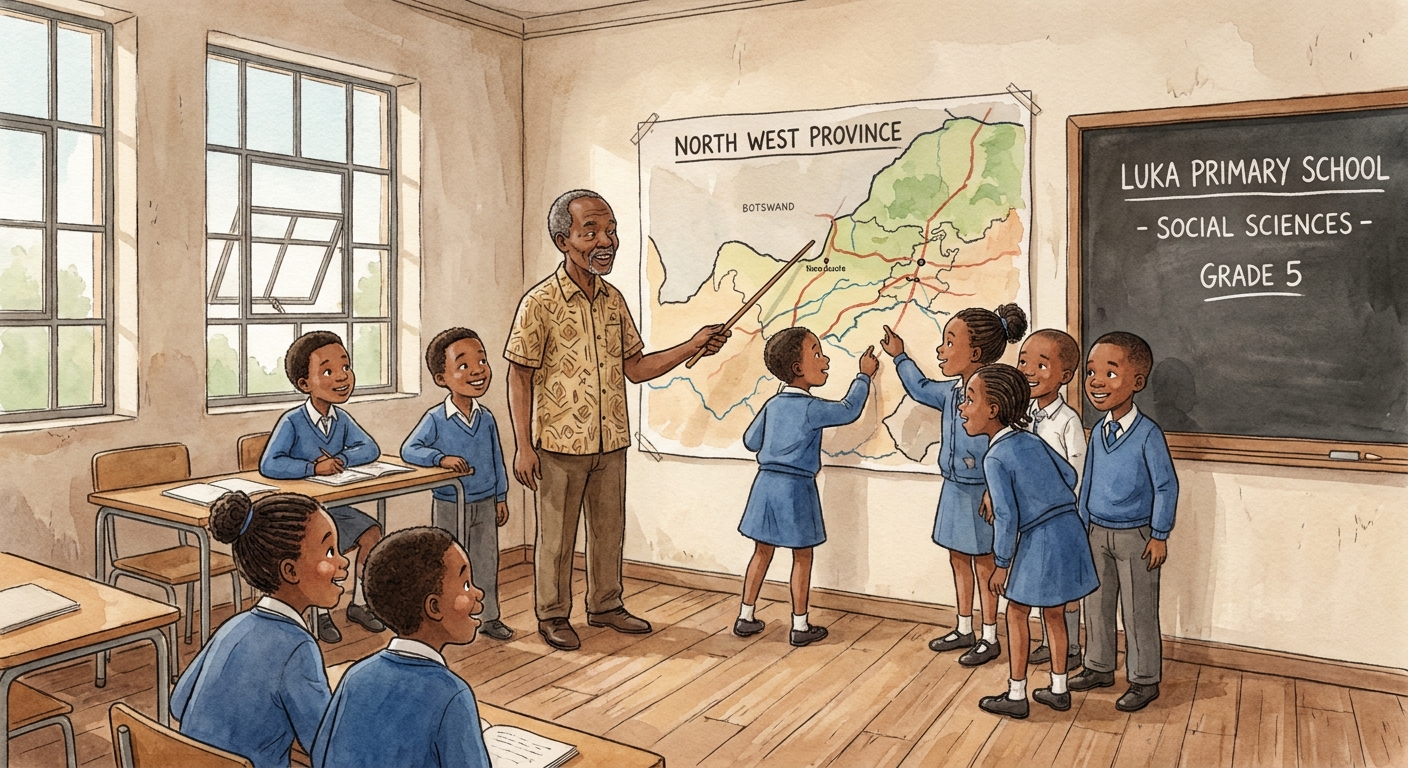
Pupils gathered around a hand-drawn map of North West
Learning Area 04

Social Sciences

History and geography of South Africa — with extra time on Bafokeng heritage and the Bojanala region.
Pedagogy
Map-work, oral history interviews with elders, primary-source storytelling.
Signature project
My Village Atlas — Grade 6 each compile a 12-page atlas of Luka Village with the help of a family elder.
Assessment
Project-based assessment plus short written response tasks.
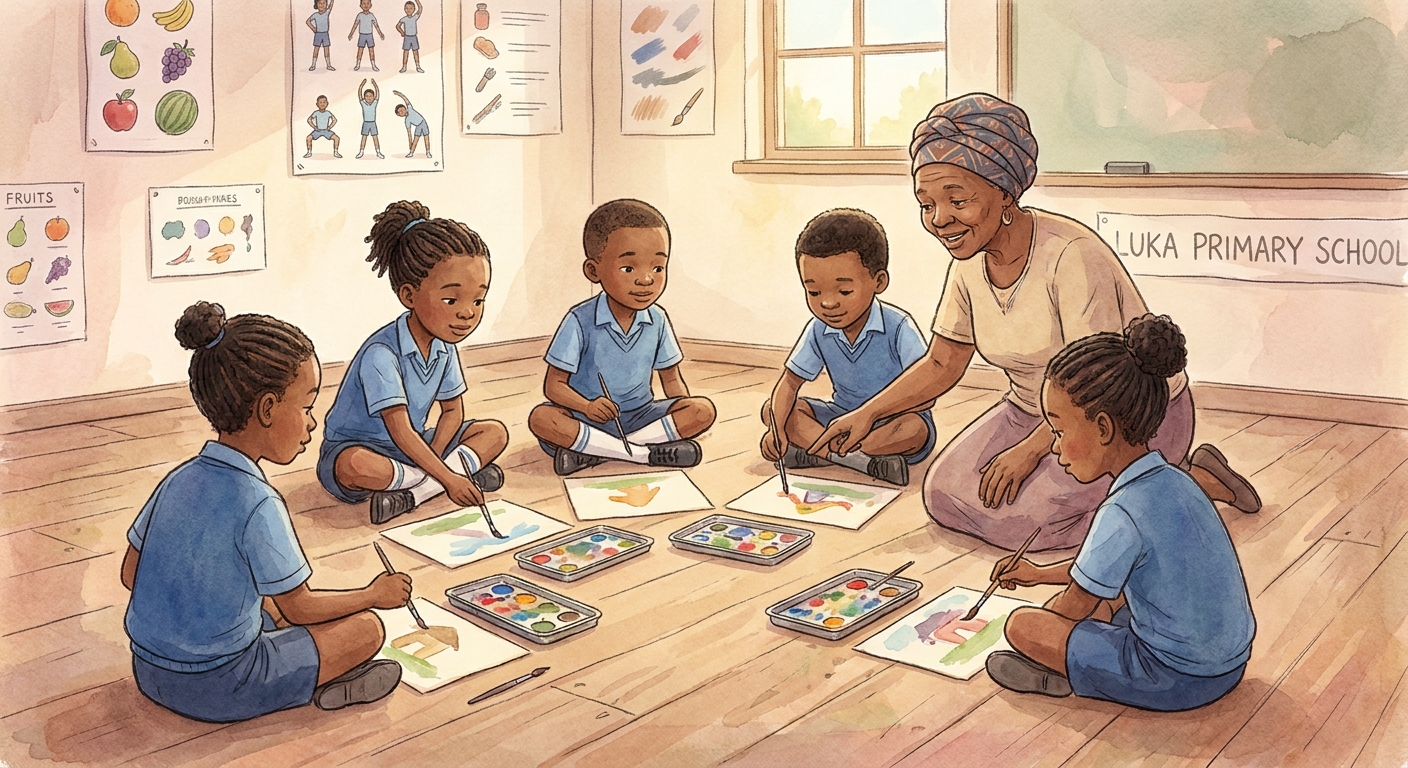
Foundation Phase Life Skills painting class
Learning Area 05

Life Skills

Personal and social wellbeing, physical education and creative arts — the work of growing up well.
Pedagogy
Weekly wellbeing circle, two PE sessions per week, music + visual arts on rotation.
Signature project
Friendship Garden — every Foundation Phase class plants and tends one bed in the school garden each year.
Assessment
Observation-based, no written examination — growth tracked through a Life Skills portfolio.
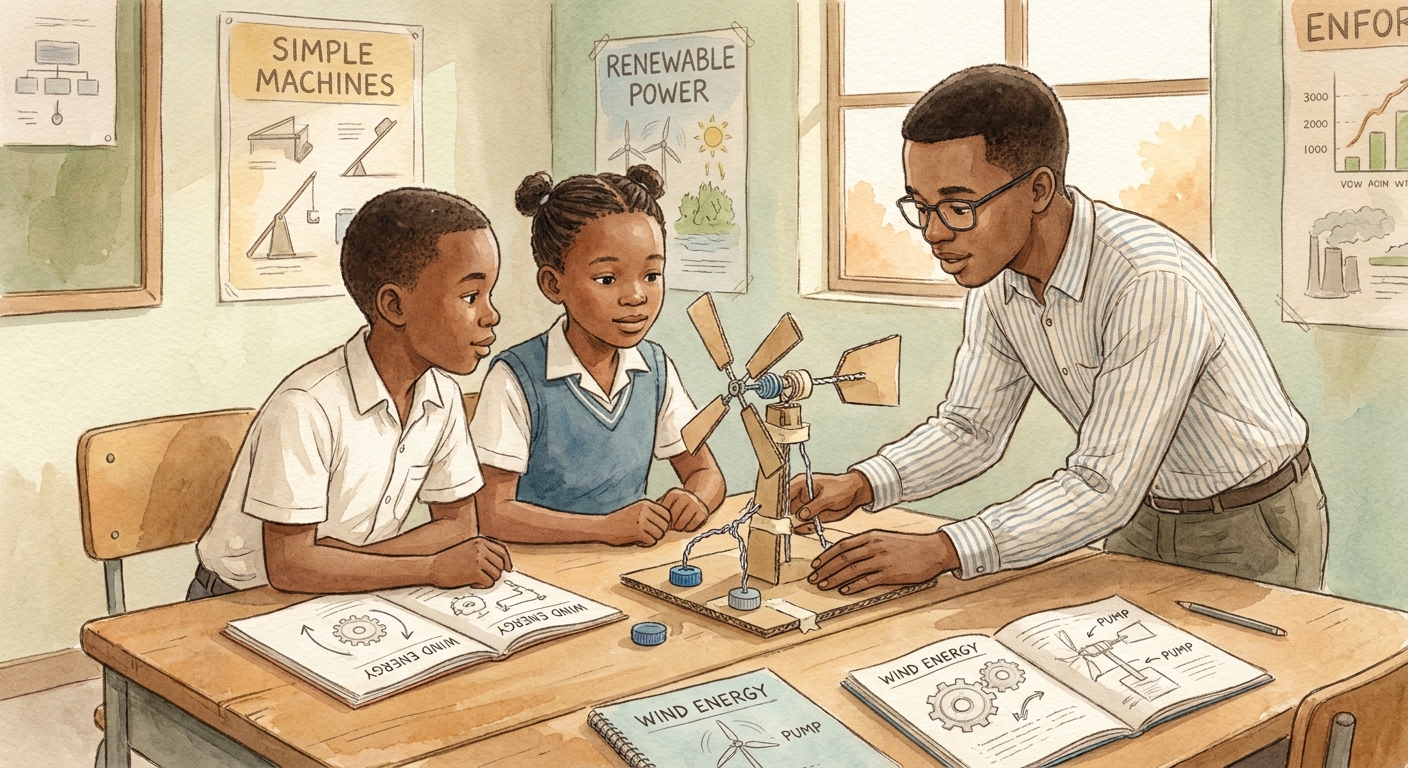
Grade 6 examining a homemade wind-pump model
Learning Area 06

Technology

Hands-on design and making — with the materials available in Luka, not the materials in a catalogue.

Pedagogy
Design-build-test cycle, recycled-materials workshop, simple tool literacy from Grade 4.
Signature project
Solar Lantern Build — Grade 6 assemble a small solar reading lantern to take home before exams.
Assessment
Project portfolio with photographs, sketches and a one-page reflection in English.
G1

Foundations

Phonics, number sense, school routines.

G2

Reading aloud

Sentences, simple addition, group work.

G3

Reading to learn

Short paragraphs, multiplication, observation.

G4

English LoLT

Subject teaching begins in English; project work starts.

G5

Inquiry

Independent reading, fractions, science journals.

G6

Ready for Grade 7

Written reports, early algebra, leadership roles.

Beyond the marks

We do not believe in a marks-only school.

Our reports list each child’s mark, but they also list the four CAPS skills clusters — oral, reading, writing and reasoning — with a teacher’s short comment on what the child does well, and one specific thing to work on at home next term.

Parents who cannot read the report easily are invited to a one-to-one 20-minute reading at the end of each term. We will not send a child home with a report that nobody at home can decipher.
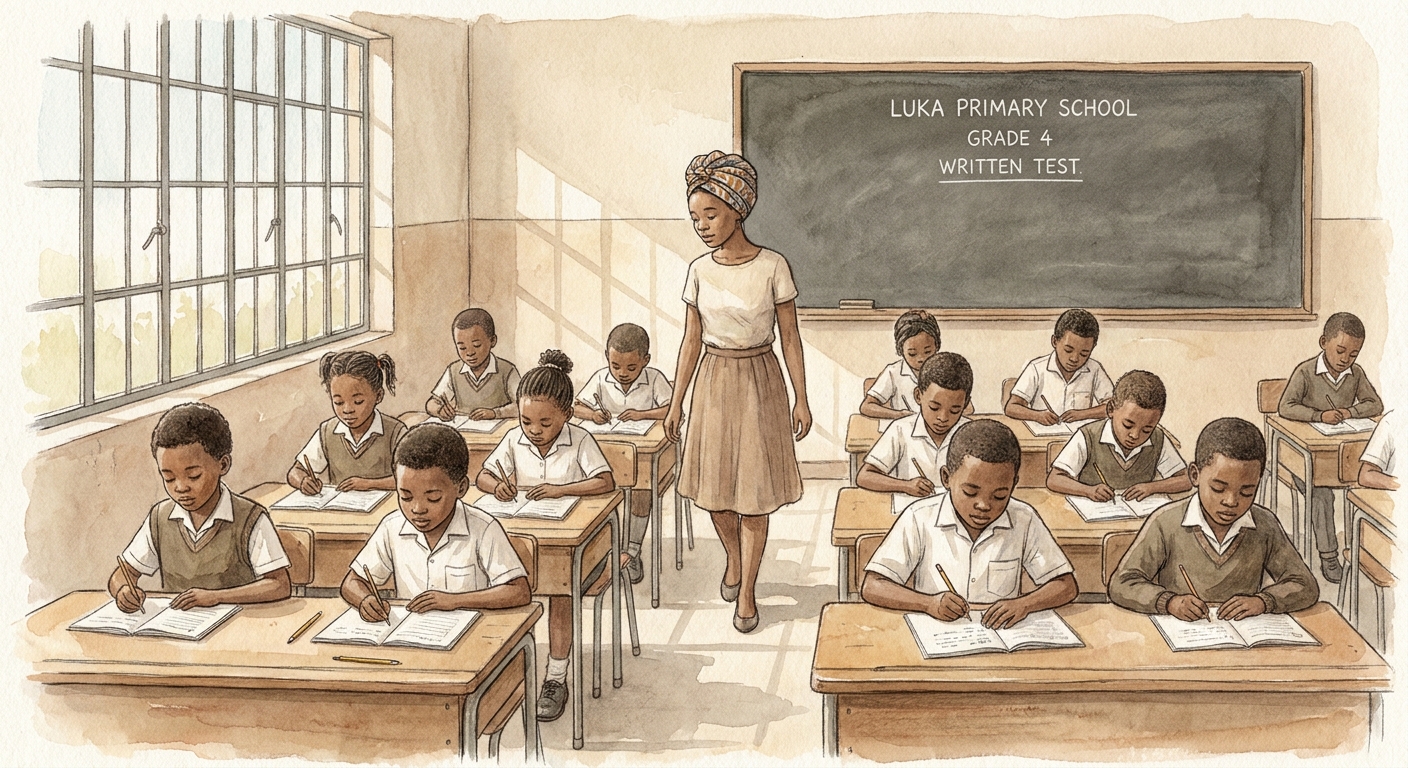
A Grade 4 class concentrating on a written test